Partner insights from Amazon Beauty
Prestige beauty and wellness brands have historically approached online retailers cautiously, prioritizing control over the shopping experience and how consumers encounter their products. But as shopping habits evolve and retailers expand their beauty and wellness assortments, brands are increasingly recognizing the opportunity to reach consumers where they already shop.
The scale of that opportunity is reflected in Amazon’s growing share of online beauty and wellness sales. In 2025, more than 3.6 billion health and beauty product units were sold on Amazon in the U.S., reaching more than 140 million unique health and beauty customers, according to Amazon.
For beauty and wellness brands, the question is no longer simply whether to have a presence on Amazon, but how to maximize the channel’s potential for discovery and brand building while maintaining a distinct brand identity.
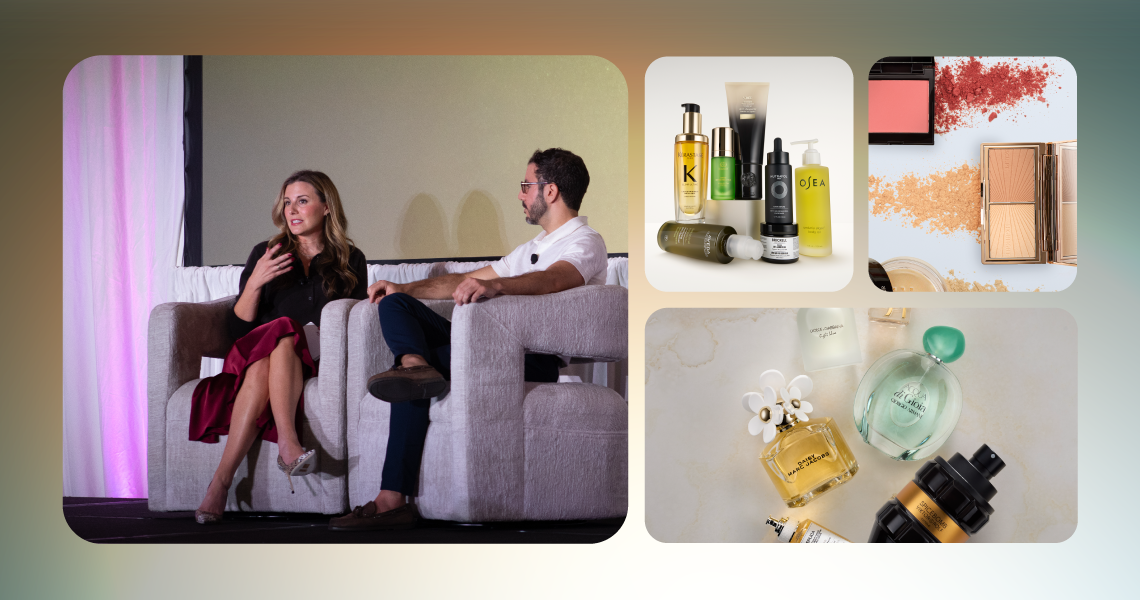
At the Glossy Beauty & Wellness Summit in November 2026, Glossy spoke with Kirsti White, head of business development for Amazon Beauty and Consumables, about how brands can develop a successful presence on the channel.
Start with the fundamentals to build a strong Amazon presence
Success on Amazon for beauty and wellness brands starts with understanding what consumers expect from the channel and making sure their business is prepared to deliver. That means having a well-managed supply chain that can support consumers’ expectations for fast, reliable deliveries.
Ad position: web_incontent_pos1
“I always tell brands to really focus on the fundamentals,” White said. “Make sure that your supply chain is dialed so that you can offer the convenience and speed that customers expect from Amazon. Also critical for brands is ensuring that the detail pages and your brand store feel immersive, educational and engaging.”
Brands also need a clear strategy for what they want to accomplish on Amazon, whether that’s acquiring new customers, strengthening loyalty or building awareness. With so many products competing for consumers’ attention, compelling storytelling and a recognizable brand voice can differentiate a brand’s products. Informative product detail pages and immersive brand stores can further reinforce that messaging.
“The brands that break through well are ones that have a clear voice and clear storytelling,” White said, pointing to Milk Makeup, Tata Harper and Amazon’s most recent launch, Aesop, as examples of brands that have effectively translated their identities to the retailer through distinctive positioning and product messaging.
Create sensory-like experiences to aid brand discovery
Traditionally, consumers have viewed Amazon as a resource to replenish beauty and wellness products they already use. But that behavior is changing as customers increasingly use online marketplaces to explore new brands and products. Forty-one percent of U.S. consumers said they first discover beauty products through online marketplaces, according to Podean Intelligence’s Beauty eCommerce Report 2025.
Ad position: web_incontent_pos2
“Historically, a lot of people thought of Amazon as a place where a customer goes to restock something that they already love but maybe discovered elsewhere,” White said. “That is changing rapidly, and it’s really exciting to see our data showing that customers are seeing us as a discovery platform now.”
Recreating the sensory experiences of in-person shopping can be challenging. For instance, when consumers can’t physically test a fragrance, feel a skincare product’s texture or swatch a foundation shade before buying, they may be less likely to complete a purchase.
Amazon is addressing that challenge with several tools designed to make online beauty shopping more interactive and informative, according to White. Interactive augmented reality tools like shade finder and virtual try-on help consumers find cosmetics that match their skin tone and preview makeup looks before purchasing. Creator storefronts and shoppable videos let beauty influencers curate collections of recommended products, giving customers another avenue to discover brands.
“We’ve built the experiences to make it easier for customers to have that agency,” White said. “A customer may trust a creator that has a formulation or color that works for them so it’s our role to make sure that comes to life on site. We’re closing that gap between inspiration and conversion.”
Amazon Beauty brought Charlotte Tilbury to football fans through its role as the exclusive retailer of the brand’s program with the Dallas Cowboys Cheerleaders for the 2026–27 season. An in-person activation at the Cowboys’ home opener included a creator experience with the cheerleaders, fan activations throughout AT&T Stadium and a Game Glam Suite that showcased the cheerleaders’ signature Charlotte Tilbury makeup look. Amazon also featured the brand’s products in ad placements timed to Prime Video’s Thursday Night Football broadcast, allowing fans to see the cheerleaders wearing the look on the sidelines and shop the same products on Amazon in real time.
Use AI to build shopper confidence
Artificial intelligence is also creating new ways for audiences to navigate increasingly crowded beauty and wellness categories on Amazon. Alexa for Shopping, Amazon’s AI-powered shopping agent, lets consumers move beyond traditional keyword searches and ask questions in a conversational format.
Customers can describe a skincare concern, desired outcome or ingredient they’re interested in and receive product recommendations and information to help evaluate their options. This is particularly relevant to beauty and wellness, where consumers may know what they want to achieve without knowing which products can help.
“The challenge in this space is less so having the selection; it’s driving confidence for customers to make that purchase, and that’s where AI is really helpful,” White said.
More than 400 million customers have used the AI shopping agent in the last 12 months, as reported by Digiday. Those who use it spend 50% more than customers who don’t, CEO Andy Jassy said during the company’s third-quarter 2026 earnings call.
Maintain prestige brand identity while reaching new consumers
The number and range of beauty brands on Amazon continues to grow. More than 400 premium and mass beauty brands joined Amazon Beauty in 2025, according to Amazon. As its beauty assortment expands, the platform has worked to meet the expectations of prestige brands and their customers through its Amazon Premium Beauty program.
While convenience remains fundamental, the program gives prestige beauty brands a dedicated space on Amazon to showcase their products through an elevated on-site experience, tailored storefronts, access to premium merchandising features and a launch that highlights the brand identity. The Premium Brand Sourced badge also helps customers shop with confidence by identifying products sold by the brand or an authorized seller.
For example, Amazon marked the September 2026 launch of Carolina Herrera with activations tied to the 10th anniversary of its Good Girl fragrance. These included a feature at Amazon’s NYFW creator event and an editorial-style social campaign with Vogue Beauty and Hayes Warner that positioned Good Girl as the signature scent of Fashion Week’s front row. The content linked directly to the fragrance on Amazon, making it easy for customers to immediately shop the product when engaging with the content
“When we launch a brand or approach a brand and start those discussions, we’re making sure that we’re activating in a way that feels very true to the brand and really tells their story,” White shared. “The way that we’re thinking about prestige brands is making sure that their identity is coming through on site and giving them the tools and tech to do so.”
Partner insights from Amazon Beauty